Grants
Landscape Regeneration
Species Recovery Centre
£25,000 awarded
Project Dates: 15.05.24 to 15.05.25
Enabling Keep it Wild CIC to create an ambitious new Species Recovery Centre to collate lost and rare species into a central location, then build captive breeding knowledge and expertise to produce high volumes of these important species to restore Britain’s nature depleted landscape.
There are many exciting landscape recovery projects happening across the country, but they will not be able to reach their full vibrant potential due to several key species missing from existing ecosystems. The Species Recovery Centre seeks to breed and release lost and rare species at scale to suitable nature restoration projects across the UK.
They have already proven the model with water voles, releasing 3,000 annually to suitably restored sites. They will now expand their focus to storks, wildcats, adders, beavers, red backed shrikes, black grouse, turtle doves, glowworms, and mole crickets.
The team will build expertise in breeding, caring for, and releasing these lost and endangered UK native species. They will work with partner landowners to create satellite breeding and release facilities, to make the operation more resilient and breed the animals closer to their potential release sites.
Image credits: Keep it Wild CIC.


IMPACT SUMMARY JUNE 2025
Project Activities:
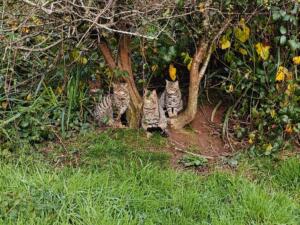
- Continued successful breeding of of rare and endangered UK species, including:- Continuing to grow the wildcat stocks to more than 80 individuals.
– More than 36 beavers having passed through the Beaver Barn in the 12 month project period.
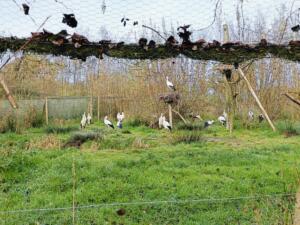
– Grown the white stork stock to more than 40 birds, with approximately 10 more chicks expected in 2025.
– Building of a separate enclosure for black stork.
– Building of a separate facility for turtle dove at Coombeshead and Cannwood to house over 100 birds. - Acquisition of land for rewilding, along with continued identification and targetting of other land areas suitable for rewilding.
- The creation of seed populations of rare and endangered species, enabling their restoration and reducing the risk of single location breeding populations; including DEF associated Cannwood.
Project Impact:
- Increasing the amount of land for rewilding through the acquisition of Tamarstone Meadown, Holsworthy, a species rish wetland; Panson Middle Bridge, 26 acres of wet meadow; and Beer Mill to be targetted in 2025, a 110 acre plot of rare culm grassland and mature oak.
- Increased populations of rare and endangered UK species including white and black storks, wildcats, adder, black grouse, turtle doves, beaver, red-backed shrikes, twites, glow worms and mole crickets.
- The establishment of a pool of knowledge pertinent to the techniques required to keep, breed and propagate threatened native wildlife.