Grants
Landscape Regeneration
Pesticide Free Devon
£20,000 awarded
Project Dates: 01.01.26 to 31.12.26
Building on the success of their first year of funding from DEF, the pioneering Pesticide Free Devon project aims reduce pesticide use across the county by empowering communities, councils, farmers, and land managers to adopt safer, nature-friendly practices.
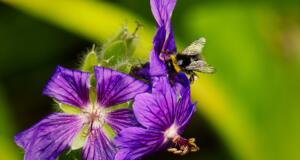
Pollinating insects and freshwater invertebrates across Devon are facing unprecedented pressures from the rising use of agricultural, municipal, and domestic pesticides. Global pesticide consumption has more than doubled in just over 30 years from 1.8 million tonnes in 1990 to 3.7 million tonnes in 2023 and scientific evidence now clearly links these chemicals to the widespread decline of bees, butterflies, moths, and other pollinators that underpin ecosystem health and food security. Across the UK, declining insect populations place 75% of human crop production at risk, while pesticide pollution is increasingly detected in rivers, ponds, and wetlands, contributing to drops in aquatic invertebrates that support fish, birds, and amphibians.
Across the UK, the most recent national dataset from 2020 shows that 82 local authorities used over 22,211 kg of pesticides, with an average of 271 kg per council, highlighting the significant extent of chemical use in public spaces alone. These pressures combine to create a landscape in which biodiversity is rapidly diminishing, natural systems are weakened, and communities are increasingly exposed to environmental contaminants. The Pesticide-Free Devon initiative, supported by the Devon Environment Foundation (DEF), is working to change this.
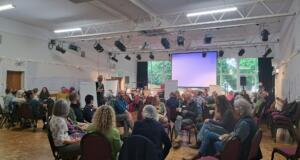
At the core of the project is a community-led approach, supported by a multi-agency partnership and led by a newly formed community interest company, Green Futures Devon, which will deliver on-the-ground engagement. Project workers will support local groups to reduce pesticide use, share knowledge, adopt sustainable alternatives, and co-create practical solutions tailored to each community. Dedicated website resources, local events, workshops, and citizen engagement programmes will strengthen understanding of the impacts of pesticides and empower individuals and councils to make lasting change.
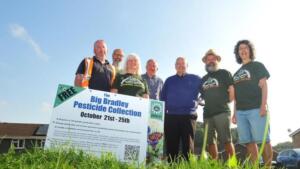
Building on recent successes, including supporting Newton Abbot Town Council to become Pesticide-Free in 2023 and adopt a Biodiversity Strategy in 2024, the initiative will now scale this work across the county. This includes delivering Community Pesticide Reduction Strategies, running pesticide collection events to safely remove harmful chemicals from households and public spaces, and conducting Devon-wide surveys to assess readiness for change among all 362 local councils. These activities will generate essential data on pesticide use, map high-impact areas, and inform area-based reduction plans for five key regions across Devon.
This phase of funding will also cover “Devon Farm Futures” pesticide reduction support for Devon farmers, which will involve: the development of a Farm Mentoring Team supported by established organic farmers in South, Mid and East Devon; the identification of 3 Pilot Farms who wish to transition away from pesticide use; and the creation and implementation of a Farm Pesticide Reduction Plan for each farm, including safe disposal of unwanted pesticide materials.
This grant will enable Green Futures Devon to continue to expand this vital work, strengthening community capacity, improving regional biodiversity, and reducing the chemical burden on Devon’s soils, waterways, towns, and countryside. Through practical action, partnerships, and local leadership, Pesticide-Free Devon is helping to restore pollinator populations, enhance ecosystem resilience, and improve the health and wellbeing of people and wildlife alike.
Thank you to the BA Better World Community Fund for generously supporting this work on Crowdfunder.
Image credits: Pesticide Free Devon and Green Futures.