
Grants
River Restoration
Friends of the Dart
£20,000 awarded
Project Dates: 1.10.25 to 1.4.26
Objectives:
Engaging communities to restore and protect the River Dart.
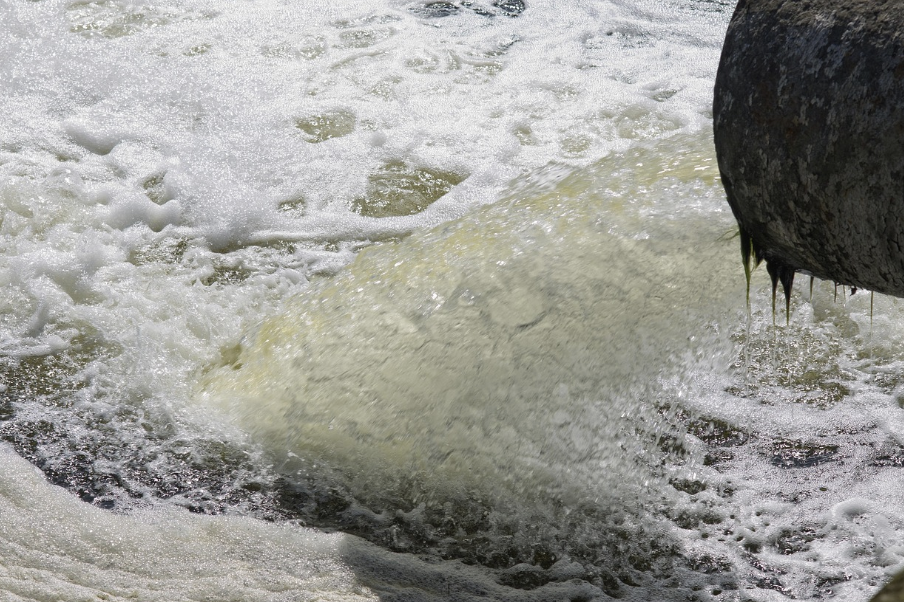
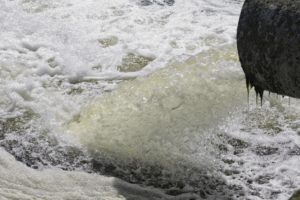
No river in England or Northern Ireland currently meets “good overall health” under the Water Framework Directive, and toxic chemicals, nutrient enrichment, sewage, microplastics and other pollutants are pervasive even in rivers that appear clear on the surface.
A joint analysis by the Campaign for National Parks and The Rivers Trust found that more than half of rivers within National Parks fail to meet legally required ecological standards. Agricultural runoff, including slurry, fertilisers, and pesticides, alongside wastewater pollution, continues to degrade water quality.
Friends of the Dart’s objective is ‘to leave the River Dart in a better place for future generations’, with a primary focus on improving river water quality by engaging and empowering communities and businesses.
Project Description:
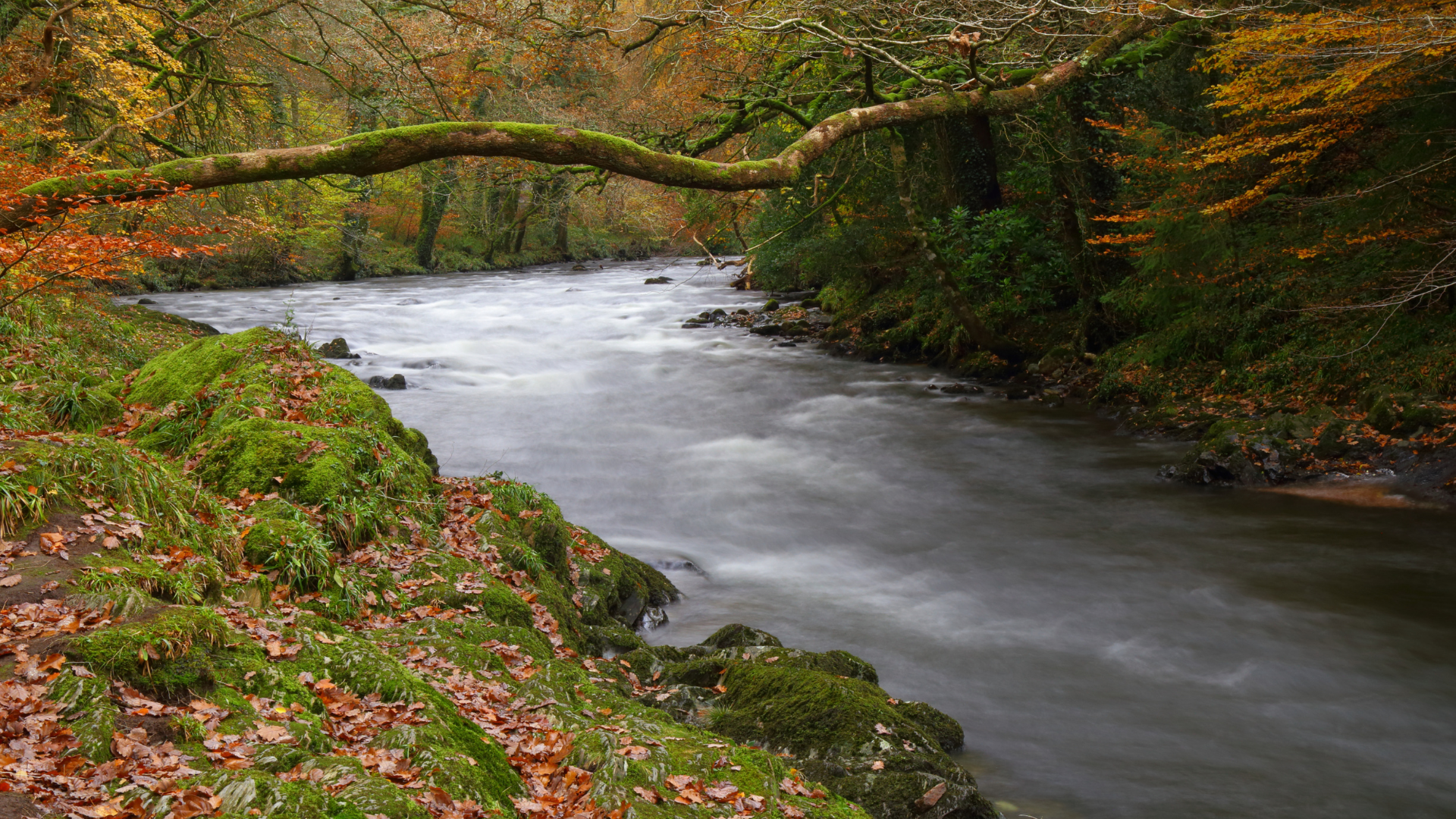
The Friends of the Dart is a community-led initiative dedicated to improving water quality and strengthening local stewardship along the Dart’s 47-mile length and within its entire catchment area
Responding to increasing pressures from pollution and outdated infrastructure, the project works to raise awareness of the sources of river pollution while promoting practical, achievable actions that householders, landowners, farmers, and local businesses can take to reduce their environmental impact. Actively advocating for systemic improvements, including lobbying South West Water to upgrade critical wastewater infrastructure affecting the river’s health.
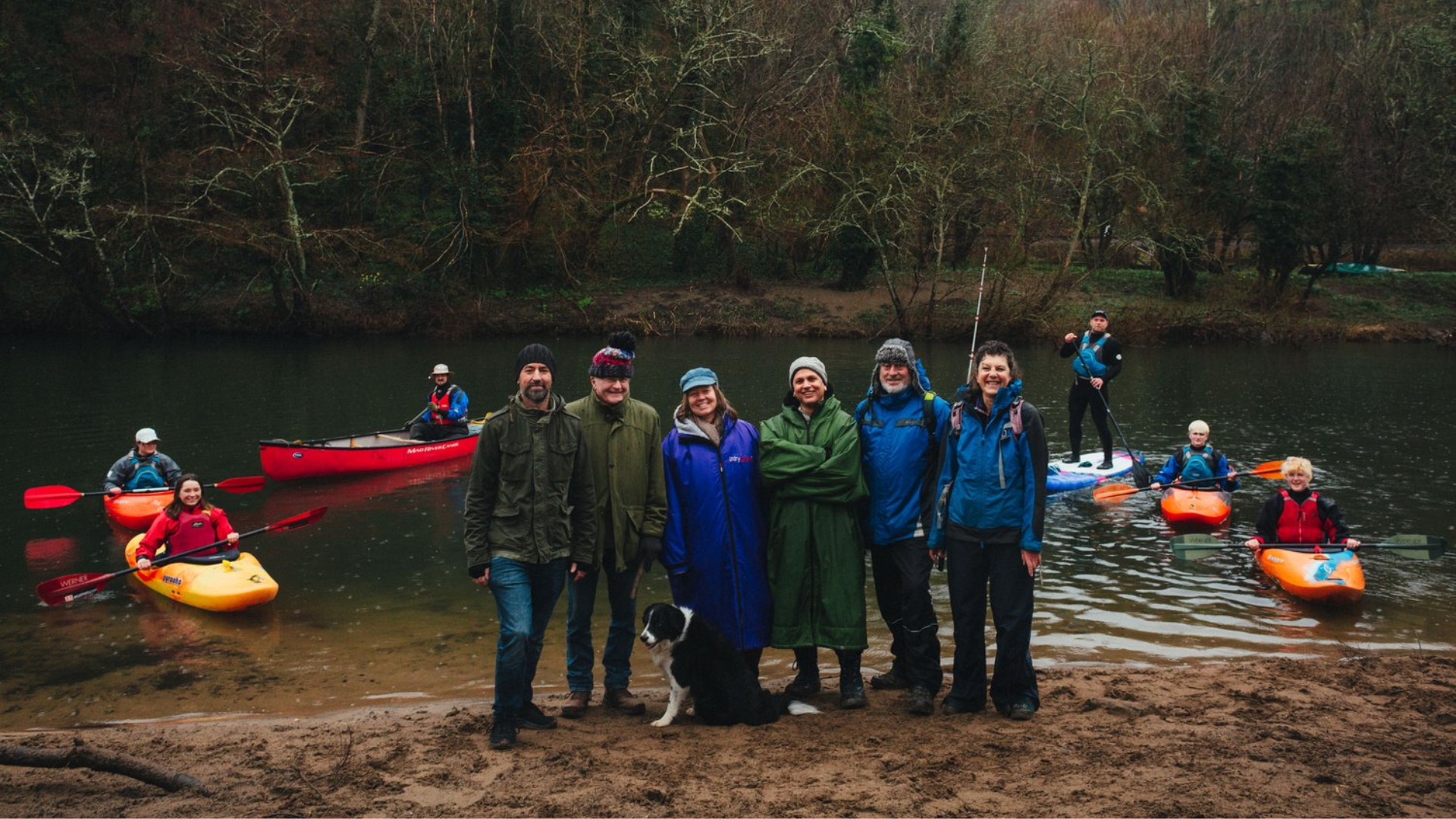
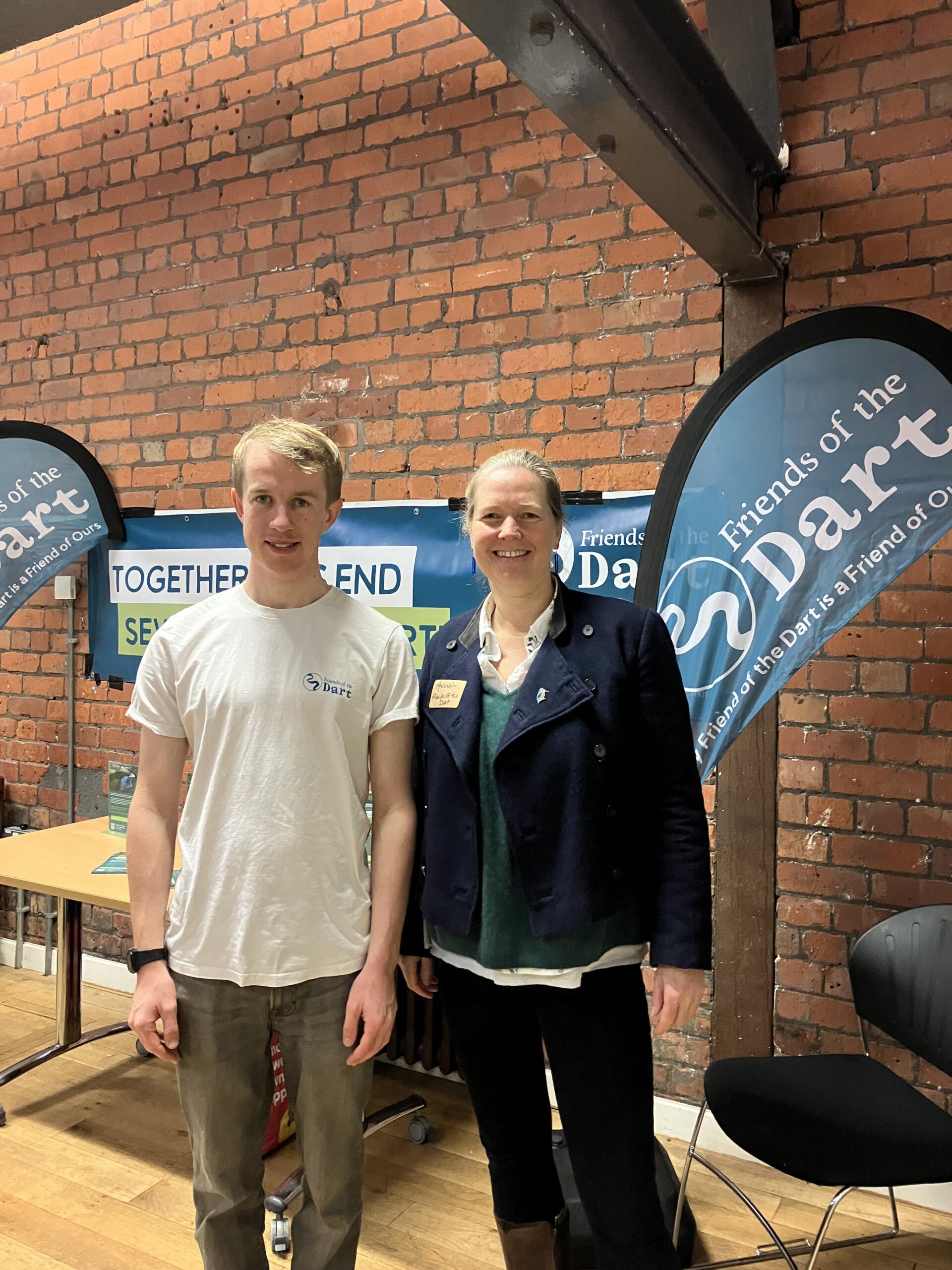
Working closely with residents, parish councils, businesses, and local organisations, Friends of the Dart recruits and trains Community River Ambassadors to identify, monitor, report, and help mitigate pollution. The project also engages Business River Ambassadors, supporting enterprises to adopt sustainable practices and champion best-practice approaches among staff, customers, and supply chains.
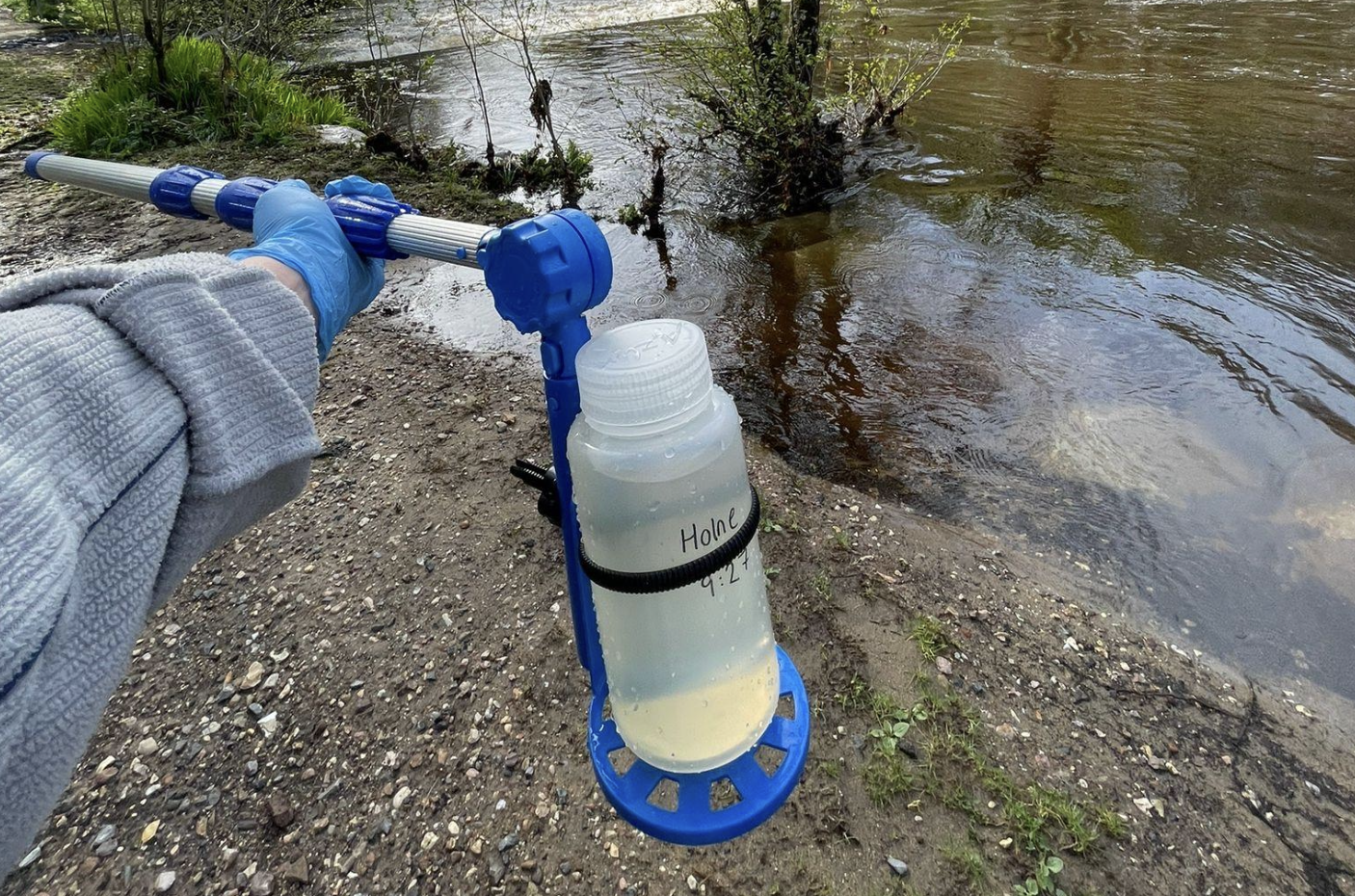
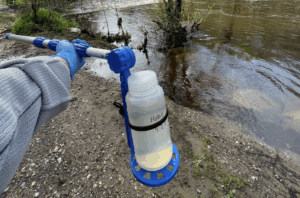
Through workshops, hands-on training, on-site demonstrations, citizen science monitoring and collaborative problem-solving, the project builds local knowledge and practical skills. Participants gain a deeper understanding of how everyday activities affect water quality and are supported to translate learning into meaningful, lasting behaviour change.
By fostering awareness, responsibility, and collective action, Friends of the Dart is helping to create a cleaner, more resilient River Dart – protecting wildlife, supporting local communities, and safeguarding this vital ecosystem for future generations.
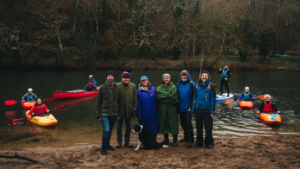
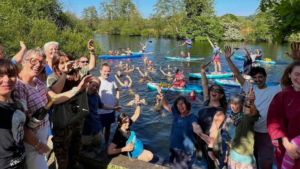
Image credits: Friends of the Dart
IMPACT SUMMARY JANUARY 2026:
Key Project Outcomes:
- Engaged communities to understand the sources of river pollution and take meaningful action.
- Empowered householders, farmers, landowners, and local businesses to reduce pollution in practical ways.
- Lobbying South West Water with strong evidence to advocate for upgrades to critical river infrastructure.
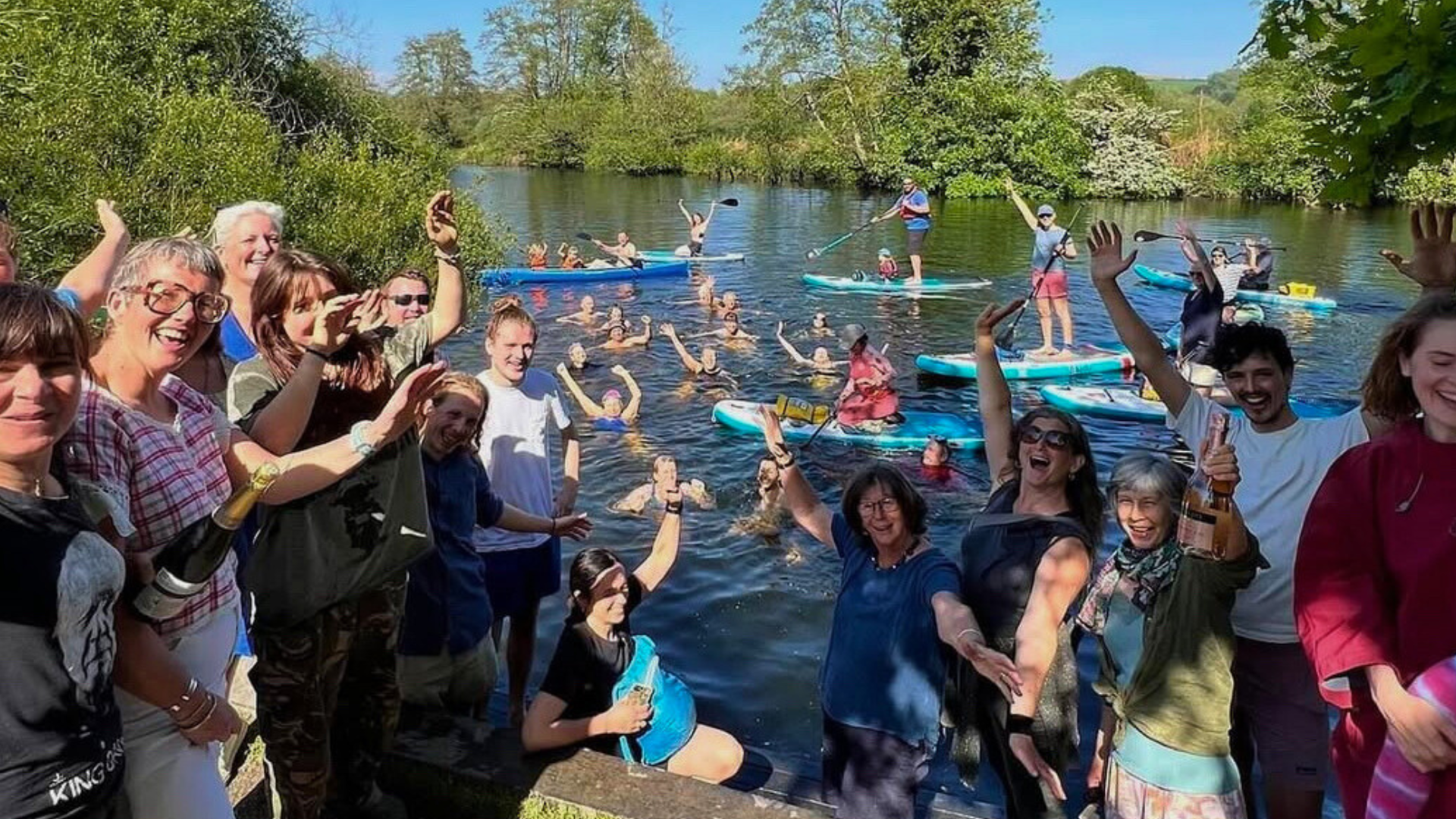
- Created a culture of community empowerment, awareness, and hands-on engagement.
- Fostered a movement of active citizens safeguarding the River Dart for future generations.
Project Metrics:
Project Activities:
- Working closely with the Environment agency in co-led walkovers this winter, collaborating for resolutions of pollution issues in multiple locations on the River Dart.
- Regularly updating on the FOTD website with water quality updates recording levels of E-coli in locations across the River Dart.
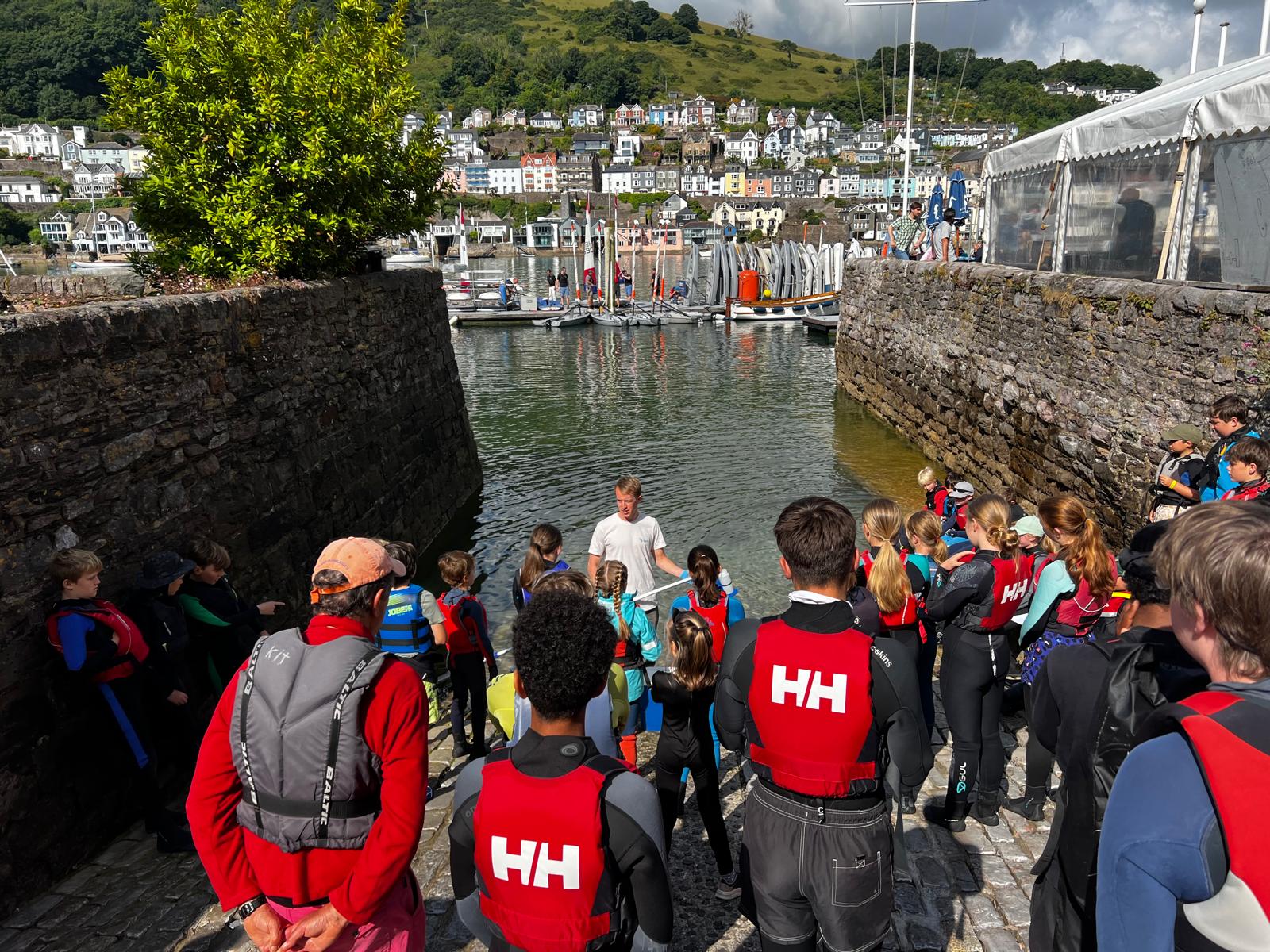
- Recruitment of volunteer Community River Ambassadors – via stalls at regattas, talks/networking with parish councils and organisations, newsletter/social media engagement.
- Development of pilot training materials and packs on pollution sources plus identifying and reporting pollution.
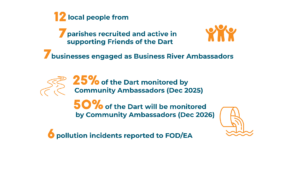
- Delivery of Pilot training: 12 residents from 7 parishes received training and packs on identifying pollution, sources and pathways plus reporting. Trainees highlighted the friendly, open atmosphere, session design (breakouts, discussion, Q&A, presentations) and quality of delivery, including the Water Technician’s input, as excellent.
- Trained volunteers represent the parishes of Dartmouth, Dittisham, Stoke Gabriel, Harberton, Totnes, Dartington and Staverton – approximately one third of the Dart’s main channel by length, including much of the tidal and mid-catchment reaches where human pressure and pollution risks are highest.
- Business Ambassador Sandridge Barton Wines provided a high-quality venue for the training – supporting learning and exchange.
- Training feedback collected through quantitative and qualitative methods informed refinement for scaling.
- The Business Ambassador pilot led to financial/in-kind support from 7 local businesses, plus other supporters. Eastgate Bookshop, Sandridge Barton Wines, Riverford Organic Farmers. The Riverford partnership in particular led to a huge jump in local engagement with FOD’s work via customers.
Other Outcome Indicators:
- Percentage of the Dart monitored by Community River Ambassadors: 25% Dec 25 – 50% Jun 26
- Number of pollution incidents reported to FOD/EA: 6 incidents
- Number of anti-pollution measures adopted at household level: Phase 2
- Increased knowledge and confidence in pollution identification and reporting (Ambassadors): 100% more knowledge, 83% confident to identify, 100% confident to report